Profiles guide · Finishing the brickwork

Types of Brick Joints: Finishing the Brickwork

Jointing is how each mortar joint is finished once the bricks are laid. It sets the look of the wall and how the joint deals with the weather. Here are the joints you’ll be asked for, and the tool that makes each one.
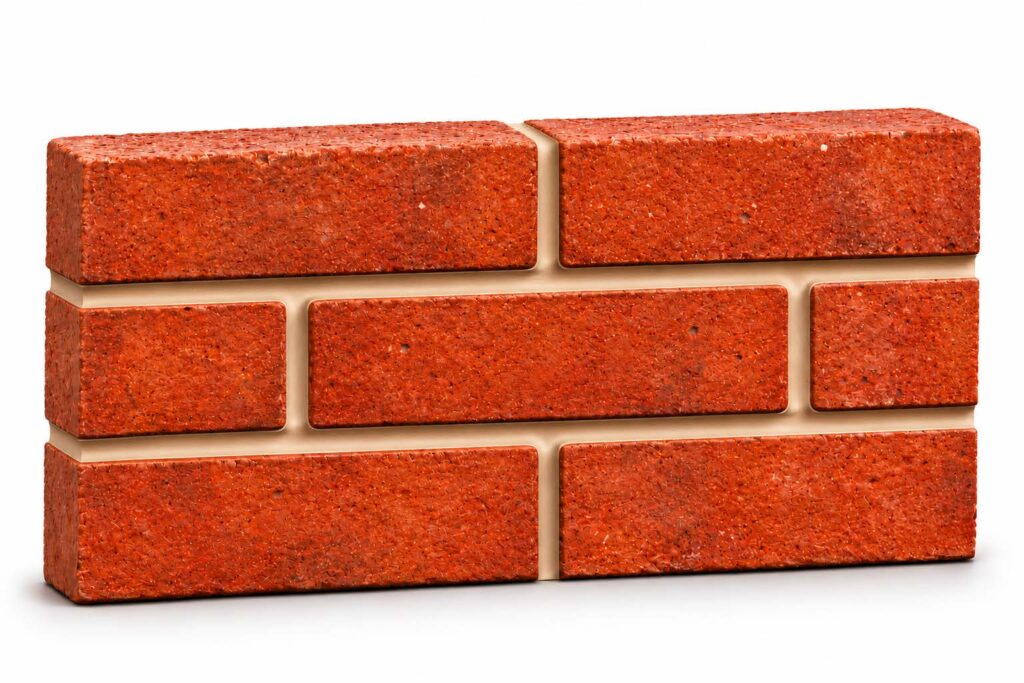
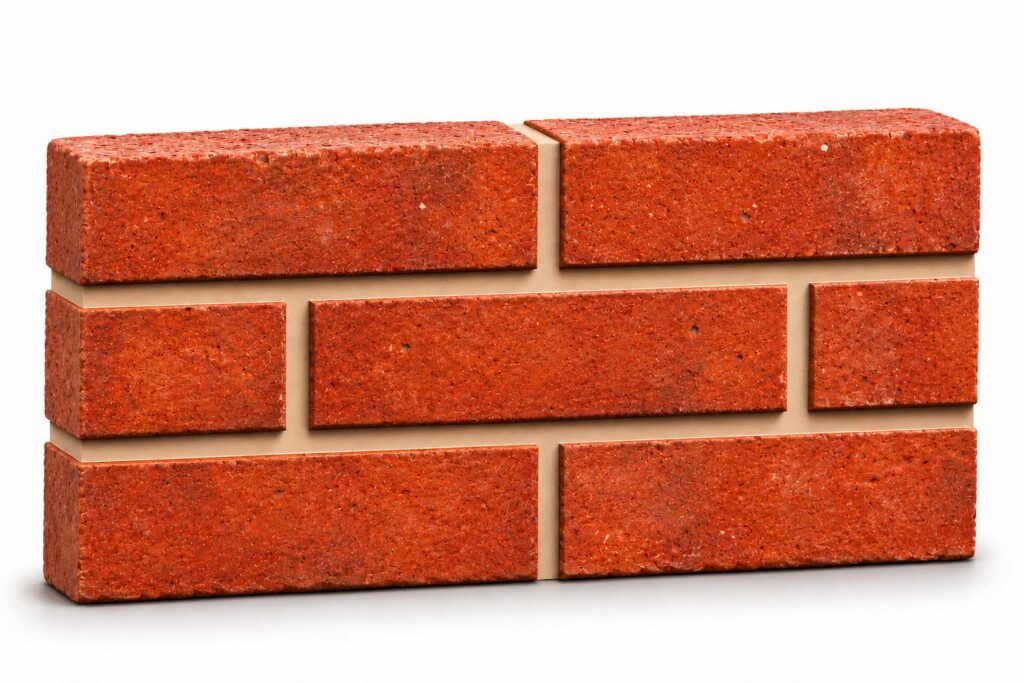
Six joints at a glance

Each drawn as a slice through the wall, outside face on the right.

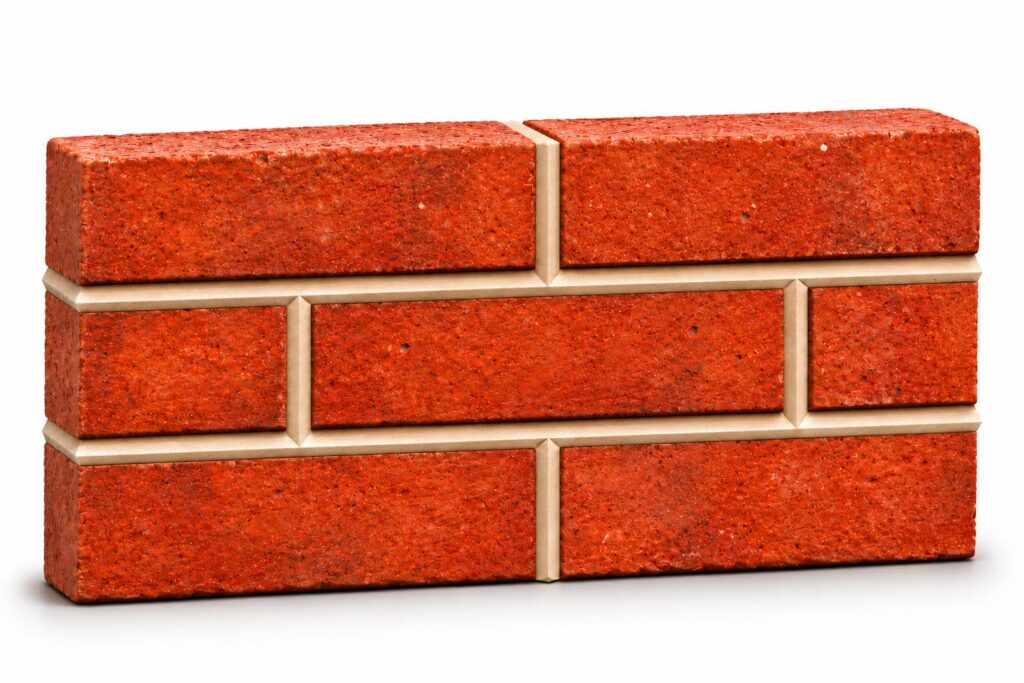
Bucket handle: a smooth concave hollow.

Bucket handle (concave)

A smooth, curved hollow pressed into the joint.

Tool: BT Jointer (ironer) for beds, Z-Jointer for perps.

Raked: set back square from the face.

Raked

Mortar raked back from the face, leaving a square recess and a shadow line.

Tool: BT Raker, Short Handle or Long Handle.

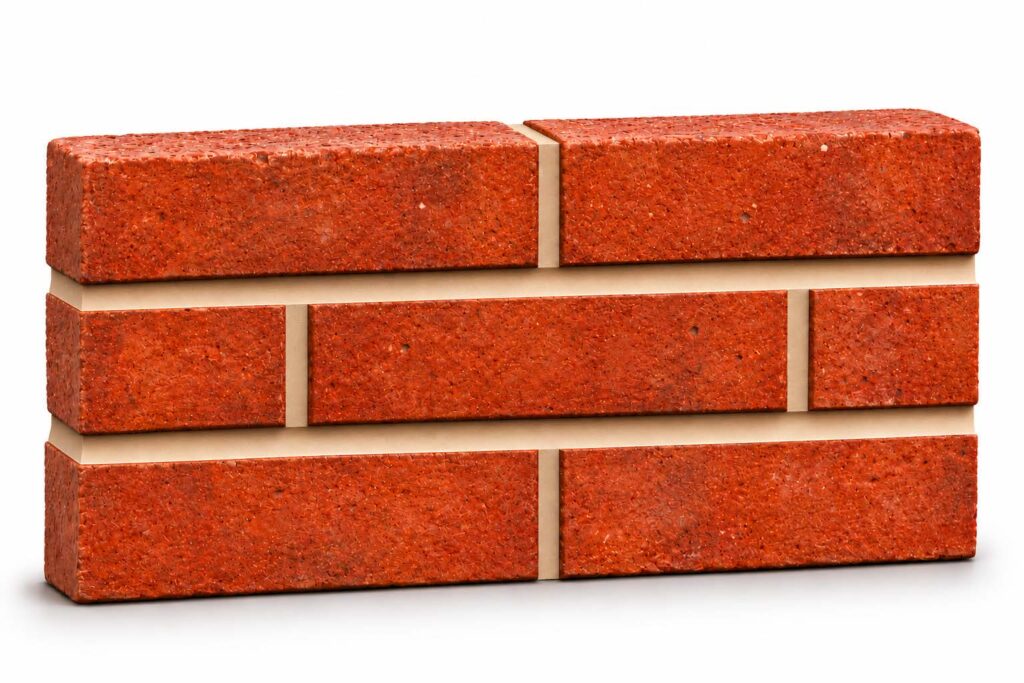
Weather struck: cut back at the top.

Weather struck

Cut back at the top, sloping out to the brick below.

Tool: a small trowel, about 2–4 inches (50–100mm).

Bird’s beak: a V with its point at the centre.

Bird’s beak

A V that comes to a point along the centre of the joint. Also called double struck.

Tool: a small trowel, shaping each side of the V.

Brushed: a textured face.

Brushed

The joint finished with a brush, leaving a textured face.

Tool: a horsehair brush.

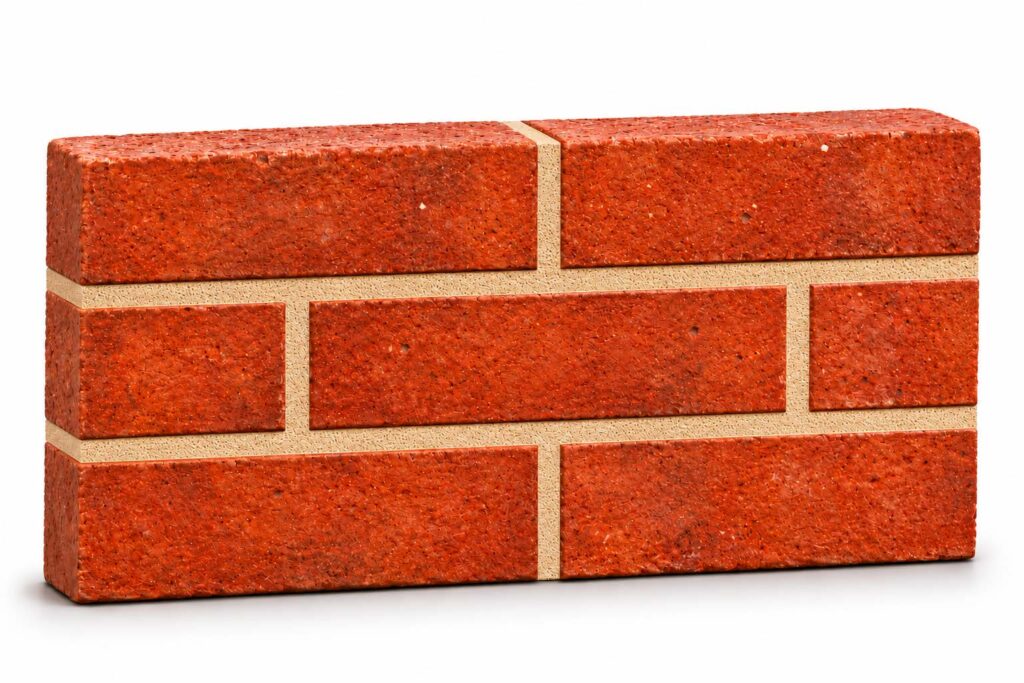
Sponge finished: a soft, even texture.

Sponge finished

The joint finished with a sponge, leaving a soft, even texture.

Tool: a sponge.

Bucket handle joints: jointers and Z-jointers

Two tools do the job. The long Jointer finishes the beds; the short Z-Jointer finishes the perps.

Jointer (ironer). Long enough to finish a big run of bed joint in one pass, quickly and evenly.
Sizes: 10mm · 13mm · 16mm · 19mm

Z-Jointer. Much shorter, for perps and tight spots.
Sizes: 13mm · 16mm · 20mm

16mm Z-Jointer — BT Engineering bricklayer's perp joint and tight-spot tool

BT Jointer and Z-Jointer.

Raked joints: BT rakers

BT rakers come in two lengths. The Short Handle gets into window reveals, tight corners and repair work. The Long Handle gives reach and leverage on open walls.

Why a poly wheel

BT rakers run on plastic (poly) wheels rather than steel.

  • They don’t rust. Raking pale bricks, you’re far less likely to leave rust streaks or marks on the face.
  • They’re more forgiving. On glazed or smooth, flat-faced bricks, the wheel rolls over the face with less risk of chipping an arris or marking the face.
Short Handle Raker — BT Engineering compact bricklayer's raker for tight spaces

BT Raker, short and long handle.

Other joints you’ll come across

BT doesn’t make dedicated tools for these, but you’ll see them specified.

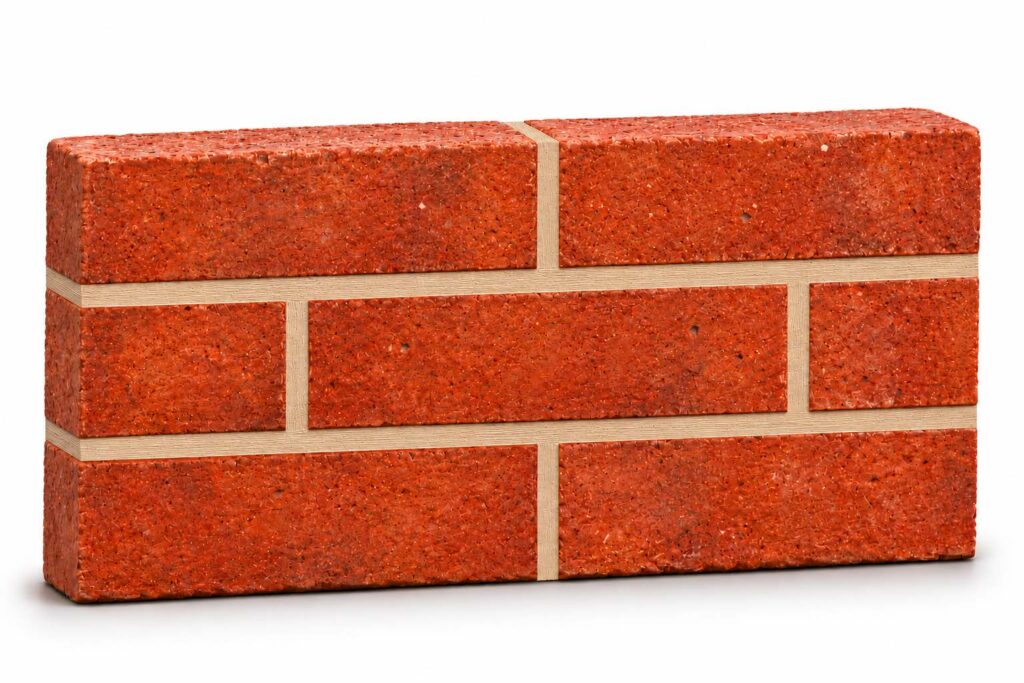
  • Flush — mortar finished level with the brick face.
  • Recessed V — a V cut into the joint; the opposite of bird’s beak.
  • Reverse struck — sloped the opposite way to weather struck, recessed at the bottom.
  • Beaded — a rounded bead standing proud of the face.
  • Tuck pointing — a fine contrasting line that gives the look of very narrow joints.

Getting the finish right

  • Agree the finish first, ideally on a sample panel, before the wall goes up.
  • Judge the mortar, not the clock. Tool too early and you smear the face; too late and you can’t compress the joint.
  • Keep it consistent. Same tool, same order, across the whole wall.
  • Check exposure before raking. On exposed walls, Brick Development Association guidance suggests a recess of no more than 4mm, compressed with the tool.

Common questions

What is a bucket handle joint?

A curved, concave joint made by running a rounded jointer along the mortar. It’s also called a concave joint.

A raker. BT makes a short-handle version for tight spots and a long-handle version for open walls.

It won’t rust, so it won’t streak pale bricks, and it’s kinder to glazed and smooth faces than a steel wheel.